Insider tips for rubbish removal Wandsworth Common
Posted on 12/08/2026
If you are sorting a flat clearance, a garden tidy-up, or a stubborn pile of builder's rubble, the process can feel oddly more complicated than the mess itself. That is where insider tips for rubbish removal Wandsworth Common really help. The right approach saves time, reduces stress, and makes it easier to avoid missed collections, awkward access problems, and surprise costs. In a neighbourhood like Wandsworth Common, where homes range from compact terraces to larger family properties, a little local know-how goes a long way.
This guide pulls together practical advice you can use straight away: how rubbish removal works, what to prepare before booking, which mistakes to avoid, and when it makes sense to bring in a professional team. You will also find a checklist, a comparison table, and a realistic example based on the sort of clear-outs people actually face. No fluff. Just the useful stuff.
Why Insider tips for rubbish removal Wandsworth Common Matters
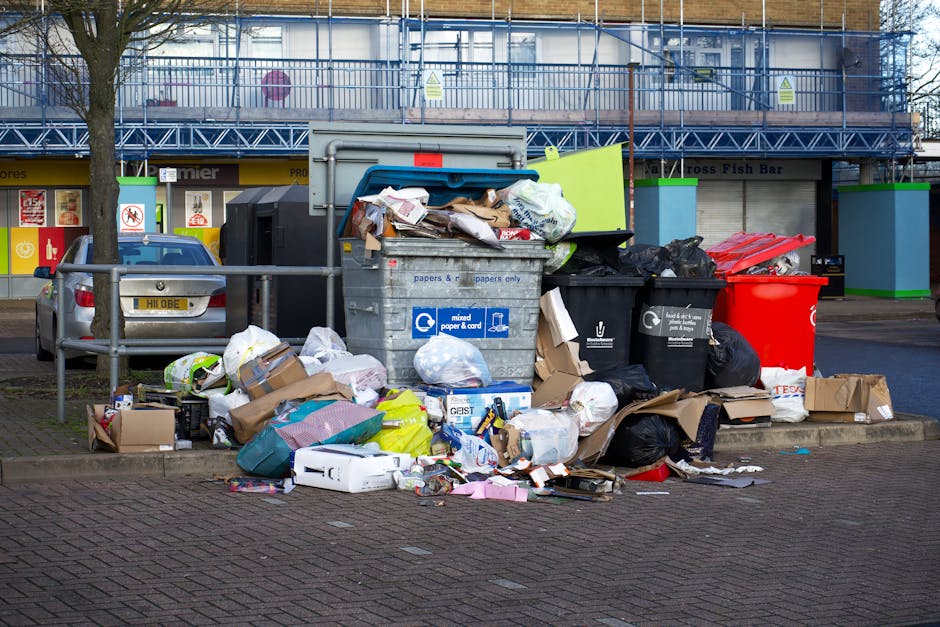
Rubbish removal looks simple until you are the one standing in the hallway with three broken wardrobes, two sacks of old clothes, a wobbling desk, and a fridge that definitely should not be left outside until "later". The reality is that waste builds up in layers. One item turns into a pile, the pile turns into a job, and the job starts taking over the week.
In Wandsworth Common, people often need removal help for home upgrades, rented property handovers, garden clearances, end-of-tenancy tidy-ups, or building work. The local streets can be busy, parking can be tight, and access may be tricky in older properties. So the difference between a smooth collection and a messy one is often preparation, timing, and choosing the right service for the job.
There is another reason this matters: rubbish handled badly can lead to damaged property, blocked access, unwanted odours, and extra trips. It can also create compliance headaches if waste is left on the pavement or mixed up incorrectly. The better prepared you are, the more efficient the whole process becomes.
Practical takeaway: rubbish removal is not just about lifting heavy things. It is about sorting, planning, access, and making sure the waste leaves your property in one clean sweep.
How Insider tips for rubbish removal Wandsworth Common Works
The core process is straightforward, but the best results come from understanding the workflow before anyone arrives.
Usually, it starts with identifying the type and volume of waste. Household junk, garden waste, office furniture, and builders' materials all behave differently. A sofa, for example, is easy to move but bulky; broken tiles are compact but heavy; garden cuttings look light until you realise they fill half a van. You get the idea.
Next comes access. Can a van stop nearby? Are there stairs? Is there a narrow side passage, a shared entrance, or permit-sensitive parking? In practical terms, these details matter as much as the waste itself. If access is awkward, the job takes longer and needs more careful handling.
Then there is sorting. Good rubbish removal is not random dumping into one heap. Reusable items, recyclables, general waste, and heavier loads are typically handled differently. If you want to understand broader service types, it helps to review the site's services overview alongside the more specific options for rubbish clearance in Wandsworth and waste removal in Wandsworth.
Finally, the waste is loaded, removed, and taken for appropriate processing. That last part matters more than people think. A tidy departure is only half the story; the rest is what happens after the van pulls away.
Key Benefits and Practical Advantages
When rubbish removal is organised properly, the benefits are immediate and very noticeable. The house feels bigger. The job stops hanging over you. And, frankly, you can breathe again.
- Faster clear-outs: a planned collection is usually much quicker than a series of half-finished trips to the tip.
- Less physical strain: heavy lifting, awkward furniture, and awkward stairs are best left to people who do this regularly.
- Cleaner final result: the job finishes properly, not with stray bits left in the corner or a "we'll deal with it later" pile.
- Better recycling outcomes: separating suitable materials supports more responsible disposal.
- Lower disruption: a smartly timed removal keeps hallways, entrances, and neighbours happier.
There is also a surprisingly important emotional benefit. A cluttered property can feel mentally heavy. Once the waste is gone, you often see the space differently. That is especially true after renovation work or a long period of postponing the obvious. We have all done it. A little pile becomes part of the scenery, then one day it suddenly looks enormous.
If sustainability matters to you, a service that prioritises reuse and recycling is worth considering. For a deeper look at that side of things, the site's recycling and sustainability page is a useful companion read.
Who This Is For and When It Makes Sense
This kind of rubbish removal advice is useful for more people than you might expect. It is not only for major house clearances. In fact, many of the most common requests are fairly modest but time-sensitive.
You will benefit if you are:
- moving out of a flat and need a fast handover clean-up
- decluttering after years of "I might need this later" storage
- clearing a garden after pruning, landscaping, or a stormy weekend
- removing old office desks, chairs, and filing cabinets
- dealing with builders' debris after a bathroom, kitchen, or loft project
- helping a relative clear a property with sensitivity and care
There are also timing clues that tell you it is the right moment to book. If waste is blocking access, if a room cannot be used properly, or if piles of material are starting to attract damp, pests, or complaints, it is probably already past the point of "I'll sort it next month".
For builders and renovators, dedicated support can make a real difference. If your project has plaster, timber, tiles, or mixed construction debris, the dedicated builders waste disposal service in Wandsworth is the more sensible route than trying to manage it piecemeal.
Step-by-Step Guidance
Here is the practical process I would recommend if you want a clean, low-drama removal. It is simple, but doing it in the right order makes a huge difference.
- Walk the property first. Go room by room and identify what is actually going. Separate waste into rough groups: furniture, general junk, garden material, and building debris.
- Measure bulky items. Not every sofa, bed base, or wardrobe is awkward, but some absolutely are. Knowing dimensions saves a lot of back-and-forth.
- Check access. Note stairs, lifts, locked gates, shared hallways, and parking constraints. Small detail, big impact.
- Decide what stays. Be ruthless, but not careless. Once items are on the load list, they are gone. A last-minute change in the doorway is not ideal, to put it mildly.
- Group items near the exit if safe. This speeds things up, but avoid blocking fire exits or making walkways unsafe.
- Ask about waste type. If you are unsure whether something is recyclable, reusable, or classed as special waste, ask before collection day.
- Confirm the booking details. Time, access, item list, and any parking concerns should all be clear. One missed detail can throw the whole thing off.
- Be ready when the team arrives. It sounds obvious, but it saves time. Sometimes five minutes of preparation trims half an hour from the job.
In busy areas around Wandsworth Common, timing matters as much as sorting. A quiet morning slot can be much easier than trying to squeeze a collection into the late afternoon rush.
Expert Tips for Better Results
Here is where the "insider" part really comes in. These are the small moves that make rubbish removal more efficient and less stressful.
- Take photos before booking. A quick set of pictures of the load helps everyone understand the job properly. It is easier than trying to explain three uneven piles over the phone.
- Separate clean materials from dirty ones. Clean wood, cardboard, green waste, and reusable furniture are often easier to process than mixed, contaminated loads.
- Keep a clear path from the waste to the exit. This sounds basic, but it is the one thing people often overlook. Clear path, calmer job.
- Ask about protective handling for fragile spaces. Narrow hallways, new paintwork, and polished floors deserve care. If the property is older, or freshly decorated, mention it early.
- Bundle small items. Loose odds and ends slow everything down. Bags, boxes, or tied bundles make the removal far more efficient.
- Think in load order. Heavier items should not be buried behind piles of light material. Put the hard stuff where it can be reached first.
One useful local habit: if you are in a street with limited parking, sort out the access question before the day of the job. That small bit of preparation often prevents the awkward "we're here, but we can't quite stop" problem. Nobody enjoys that call. Nobody.
For household projects, a specialist approach like house clearance in Wandsworth can be a better fit when the task involves multiple rooms, mixed furniture, and a fair amount of sorting.

Common Mistakes to Avoid
Most rubbish removal headaches are self-inflicted, truth be told. Usually nothing dramatic, just a few avoidable slips that snowball into delays or added cost.
- Leaving sorting until collection day. That is how you end up moving the same item three times.
- Underestimating volume. Waste looks smaller in a bedroom corner than it does once it starts filling a van.
- Mixing everything together. Recyclable material, garden cuttings, and general junk are easier to manage when separated sensibly.
- Forgetting about access. One blocked driveway or difficult staircase can change the whole plan.
- Assuming all waste is treated the same. It is not. Different materials need different handling.
- Booking too late. If the project has a deadline, do not leave waste removal as the final panic task.
A smaller but common mistake is not thinking about the environment inside the property. Loose glass, nails, wet paint tins, and sharp offcuts can be hazardous, especially if children, pets, or neighbours are around. It is a simple thing, but worth saying plainly.
Tools, Resources and Recommendations
You do not need specialist equipment to prepare for rubbish removal, but a few simple tools help enormously.
- Strong bin bags or rubble sacks: useful for loose household rubbish, clothing, and light mixed waste.
- Marker pen and labels: helpful if you are separating keep, donate, and remove piles.
- Gloves and sturdy shoes: basic, but worth it. Old furniture and broken edges are not kind to bare hands.
- Measuring tape: ideal for sofas, wardrobes, desks, and anything that might be awkward through a narrow doorway.
- Phone camera: quick photos are one of the easiest ways to communicate the job accurately.
From a service perspective, it helps to compare your needs against the available options. If you are not sure whether you need a one-off clearance, ongoing waste removal, or something more specialist, the site's page on your rubbish removal needs is a sensible place to start.
Office users should also look at the dedicated office clearance Wandsworth option when clearing desks, chairs, filing cabinets, or old equipment. It is a lot cleaner than trying to improvise with mixed domestic removal.
Law, Compliance, Standards, or Best Practice
Rubbish removal is one of those everyday services where good practice matters just as much as convenience. In the UK, waste should be handled responsibly, and anyone arranging removal should think carefully about where the waste is going and how it is being processed. You do not need to become a waste expert, but you should expect safe handling, sensible sorting, and lawful disposal practices.
For homeowners and tenants, the practical point is straightforward: do not dump waste on pavements, in communal areas, or in places where it can obstruct access. For businesses, there is also a broader duty to keep records, separate waste properly where needed, and avoid mixing materials in a way that makes recovery difficult. That is especially relevant if you are clearing office contents or renovation debris.
Best practice also includes care with the following:
- Safety: lifting, carrying, and loading should be done without creating avoidable risk.
- Insurance awareness: it is sensible to understand how property protection and public-facing handling are managed. The site's insurance and safety page is relevant here.
- Environmental handling: recycling and reuse should be considered where possible.
- Transparent terms: you should understand the scope of work, any exclusions, and how the job is priced.
It is also worth reading the practical pages on terms and conditions and privacy policy if you want a clearer picture of service expectations and how your information is managed. Not glamorous reading, no, but useful.
Options, Methods, or Comparison Table
There are a few different ways people deal with rubbish in Wandsworth Common. The best option depends on volume, urgency, item type, and how much effort you want to spend yourself.
| Method | Best for | Strengths | Limitations |
|---|---|---|---|
| DIY sorting and multiple trips | Very small loads | Can feel low-cost if you already have transport | Time-consuming, physically tiring, easy to overfill your vehicle |
| Skip hire | Longer projects with steady waste output | Good for ongoing building work | Needs space, permits may be an issue, and loading is your responsibility |
| Professional rubbish removal | Mixed, bulky, or urgent loads | Fast, convenient, and suitable for awkward access | Usually best when the priority is convenience rather than doing everything yourself |
| Specialist clearance service | House, office, garden, or builders' waste | Tailored handling for specific waste types | Works best when you choose the right specialist from the outset |
If the job is mainly garden cuttings, branches, and green waste, the dedicated garden waste removal Wandsworth option is often the cleanest fit. For renovation debris, the builders page makes more sense. Matching the method to the mess is half the battle.
Case Study or Real-World Example
Imagine a family near Wandsworth Common who has just finished a kitchen refit. They have a pile of old cabinets, packaging, broken tiles, scraps of timber, and two bulky appliances sitting in the hallway. The work is done, but the property still feels like a building site at 8:15 on a damp Tuesday morning.
Rather than trying to move everything over several weekends, they first sort the waste into three groups: reusable packaging and cardboard, heavy builders' debris, and bulky household items. They check the access route from the kitchen to the front door, note that the front drive is narrow, and clear the hallway before the team arrives. They also take photos of the load so the scope is clear.
Because the waste is sorted and the access is prepared, the collection is quick and tidy. The heavy debris goes first, the bulkier items follow, and the remaining loose material is swept up at the end. The kitchen finally feels like a kitchen again. Simple enough, but that preparation is what made the difference.
That same approach works for many other scenarios too: a landlord preparing for a tenancy changeover, a home office upgrade, or a garage full of "temporary" storage that has somehow lasted five years. Funny how that happens.
Practical Checklist
Use this checklist before your rubbish removal booking. It keeps the process moving and helps avoid the usual hiccups.
- Walk through the property and list everything to be removed
- Separate general rubbish, recyclable material, garden waste, and builders' debris
- Measure large items and note anything unusually heavy
- Check stairs, lifts, gates, and access points
- Confirm parking or loading space if needed
- Remove anything you want to keep from the area
- Bag or bundle loose items safely
- Take photos if the load is mixed or hard to describe
- Ask about any special handling requirements
- Be available when the team arrives, or arrange a clear handover
Quick reminder: if you are unsure about a specific item, ask before collection day. One unclear object can slow down the whole job more than you'd expect.
Get a free quote today and see how much you can save.
Conclusion
Good rubbish removal in Wandsworth Common is not really about luck. It is about knowing what you have, preparing access properly, and choosing the right type of service for the job. That is the real insider advantage. Once you understand the basics, the whole thing becomes much easier and far less stressful.
Whether you are clearing a single room, dealing with garden debris, or handling a bigger house or office project, a careful plan saves time and protects the space you are working in. And honestly, there is something genuinely satisfying about seeing a clean floor where chaos used to be.
If you take one thing from this guide, let it be this: sort early, measure honestly, and do not underestimate the value of a properly organised collection. Small preparation. Big payoff.


From a young age, Blair has cultivated a passion for order, which has now matured into a prosperous profession as a waste removal specialist. She derives satisfaction from transforming disorderly spaces into practical ones, aiding clients in conquering the burden of clutter.
 Tipper Van - Rubbish Removal and Waste Disposal Prices in Wandsworth, SW8
 Luton Van - Rubbish Removal and Waste Disposal Prices in Wandsworth, SW8